You can spend a fortune on a sofa and still end up with a room nobody wants to sit in after dark. A cold living room is rarely about the thermostat. It is usually a handful of small, fixable choices: a bulb that is too white, a floor with nothing on it, a grey that looked lovely in the shop and rather grim at seven in the evening. None of these are expensive to put right, and most take an afternoon.
Lighting That Leaves Every Corner Exposed
The quickest way to make a room feel cold is to light it from above with a cool-white bulb and nothing else. The ceiling light comes on, everything is lit evenly, no shadows gather anywhere, and the room starts to feel like a waiting area. Cool white bulbs — anything around 4000K and above — do to a colour scheme what an overcast sky does: they flatten wood, drain the warmth out of cream and beige, and make everyone look tired.
Warm white, around 2700K, is the sensible default for a living room. Then break the light up so it comes from more than one place.
- Swap the ceiling bulbs for warm white, and put the main light on a dimmer if you can. Being able to take the room down a notch in the evening matters more than the fitting itself.
- Add a lamp at seated eye level: a table lamp beside the sofa, a floor lamp in the corner behind a chair. Light that reaches you at eye height is what makes a room feel inhabited rather than lit.
- Choose fabric or linen shades over clear glass and bare bulbs. They spread light gently instead of firing it in one direction.
- Give a dark corner its own small light — a sideboard lamp, a wall light, even a low lamp on a shelf. Dark corners read as cold corners.
- Skip bright downlights aimed straight at the sofa. Triangles of hard light on a rug look clinical.
Light at more than one height is the difference between a room you use and a room you pass through.
Bare Floors and Rugs That Are Too Small
Hard flooring is practical and looks sharp, but a wide expanse of laminate, tile or bare board is the coldest thing in most living rooms. It is cold underfoot, hard under sound, and it bounces every footstep back at you.
A rug is the answer, but the mistake is buying one that is too small. A postage stamp of wool floating in the middle of the room draws attention to how much bare floor surrounds it. Aim for the rug to sit under at least the front feet of your main seating, or go larger and put everything on it. In a small room, a rug that reaches close to the walls on both sides usually works better than a modest one in the centre.
Think about what your feet meet. Wool and thick pile feel warm; jute, sisal and flatweave are hard-wearing but cooler, so layer a smaller wool rug or a sheepskin on top rather than expecting one rug to do everything. If you are buying new, underlay is worth the extra — it softens the floor and holds warmth.
A Cool Colour Scheme With Nothing to Warm It
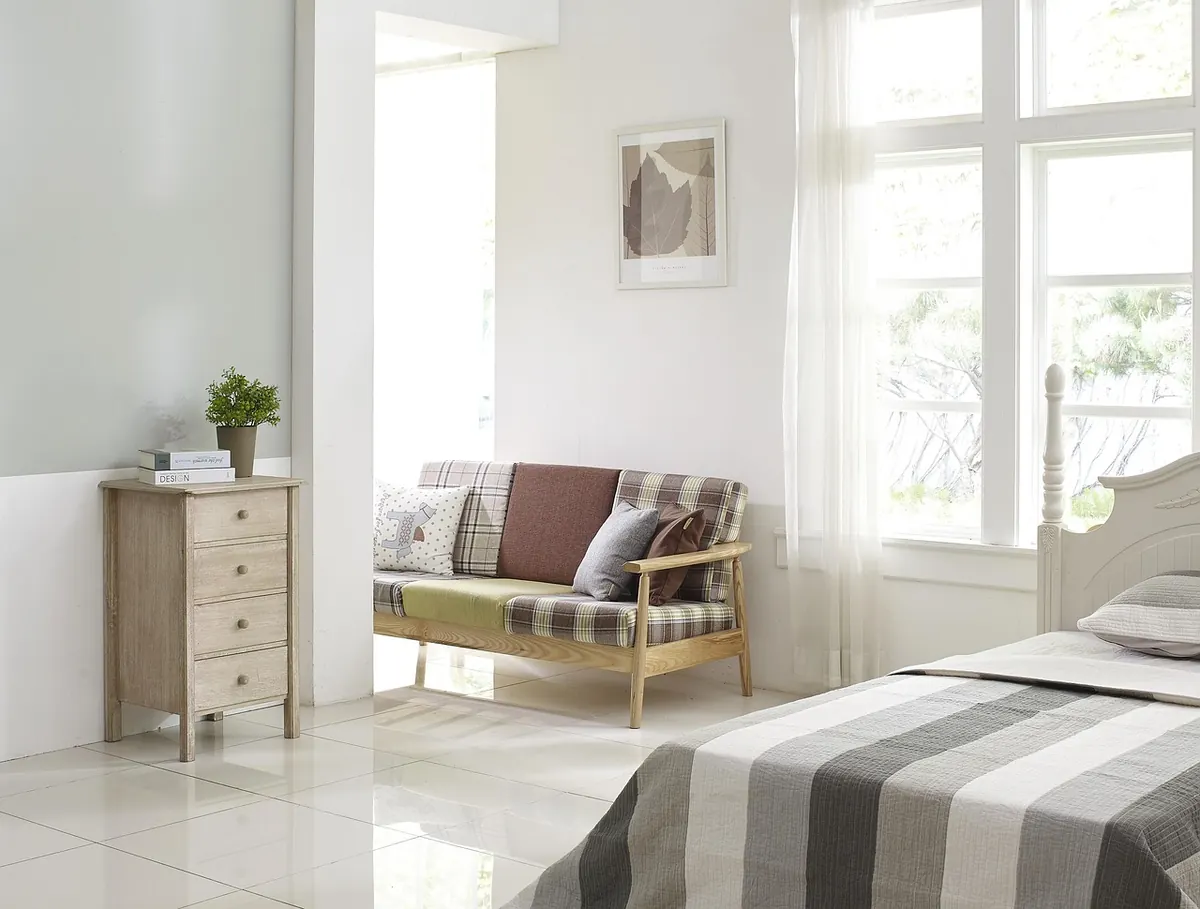
Grey, blue, sage and cold white can look beautiful. They just need company. A room painted entirely in cool tones, over grey flooring, with a grey sofa and grey cushions, will feel chilly even with the heating on, because nothing in it is balancing the temperature of the palette.
You do not have to repaint. Introduce two or three warm notes and the whole scheme shifts: warm wood rather than grey-washed board, terracotta, rust, ochre, camel, brass, or an off-white with a drop of yellow or red in it instead of blue-grey. A wooden bowl, a pair of brass candlesticks and one amber cushion can pull a cool room back on course.
If you are choosing paint, test it properly. Paint a decent patch, then look at it in the evening with the lamps on, not just at midday. Cool greys turn distinctly blue under warm bulbs, and north-facing rooms receive cooler light all day, so lean warmer than you think you need to.
Not Enough Softness Within Reach
Cold rooms often have good bones and nothing soft in them. Textiles do a lot of the emotional work in a living room, and they are usually the cheapest thing to add.
Start with curtains. Hung from close to the ceiling and wider than the window frame, they make a room feel taller and more finished; stopping at the sill makes it look skimpy. Let them reach the floor. Lined curtains hang better and cut draughts, and thermal linings make a noticeable difference on older single-glazed windows.
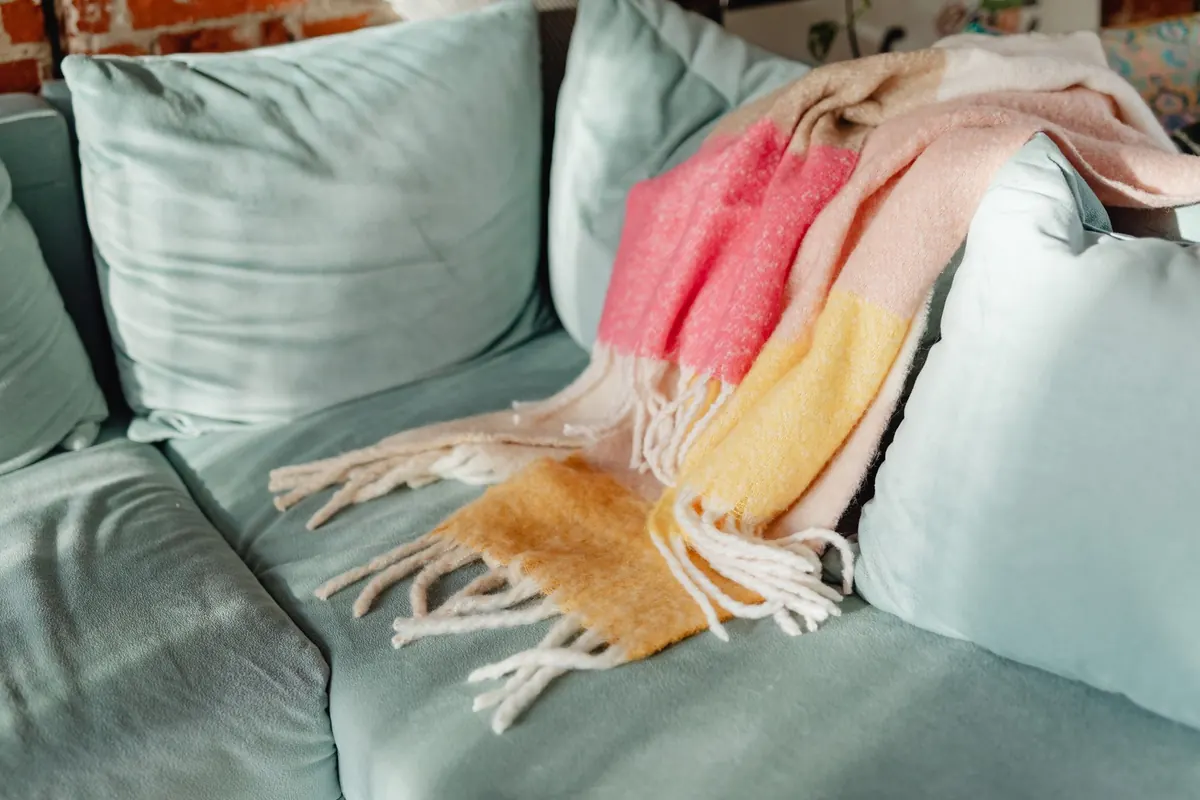
Then cushions and throws. Mix textures rather than patterns — wool with velvet, linen with brushed cotton, bouclé with a plain weave — and keep the colours in the same warm family. Two or three per sofa is plenty. A throw folded over the arm of a chair says "sit here"; the same throw spread across the whole sofa looks like laundry day.
Furniture That Stands Too Far Apart
A room can be beautifully decorated and still feel cold if the seating is scattered around the edges: one armchair by the window, another three metres away, the sofa pinned against the wall facing the television. Conversation needs a cluster, and so does warmth.
Pull the seating into a group — two sofas facing each other, or a sofa with two chairs — and put a coffee table close enough that you can reach a mug without standing up. You do not need a big room for this. A tight arrangement on a decent rug will feel warmer than the same furniture spread out.
Two practical points while you are moving things. Do not park a sofa in front of a radiator, and do not let long curtains hang over one; warm air goes straight behind the fabric and out of the window. Leave a gap around the radiator so heat can circulate.
Blank Walls and Dead Corners
A large empty wall above a sofa is a cold thing. It makes a room look unfinished, however good the furniture is. It does not take much to fix: a framed print, a shelf with a few books, a mirror to bounce lamplight back into the room, a wall light, a plant with some height to it.
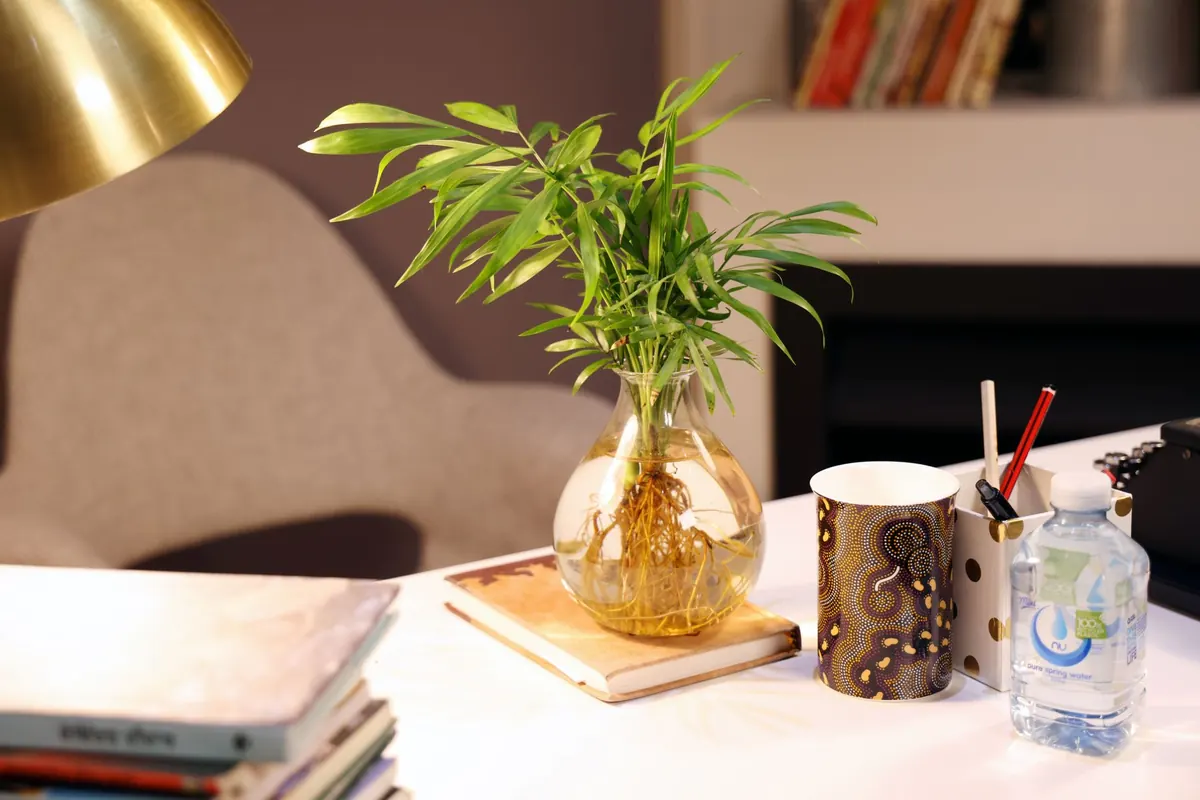
Bookcases are quietly one of the warmest additions you can make. They bring colour, texture and a bit of personality, and they soften the echo in a hard-floored room. Corners deserve the same attention — a floor lamp, a tall plant, a small chair angled in. An empty corner is a cold corner.
Where to Start This Weekend
You do not need to do all of this at once. Work through it in order and you will feel the difference the same evening.
- Change the ceiling bulbs to warm white, then switch on one lamp at seated eye level instead of the main light.
- Look at your rug. If it does not reach under the front legs of the sofa, either replace it or layer a smaller one over the top.
- Swap two cool accessories for warm ones — a cushion, a throw, a wooden board, a brass candle holder.
- Pull the seating into a group and close the gaps between the chairs and the sofa.
- Hang something on the biggest blank wall, and put a light or a plant in the corner that never gets used.
Warmth in a living room comes from layers: light at more than one height, something soft underfoot, a few warm colours, and seating close enough that you would pass someone the sugar. Fix two of those and the room stops feeling like a showroom and starts feeling like somewhere you want to spend the evening.